Neustadt ‘mayor’ Darell Peter taps his gavel against the table top, careful not to upset the full mug of stout delivered moments before ‘council’ comes ‘to order’.
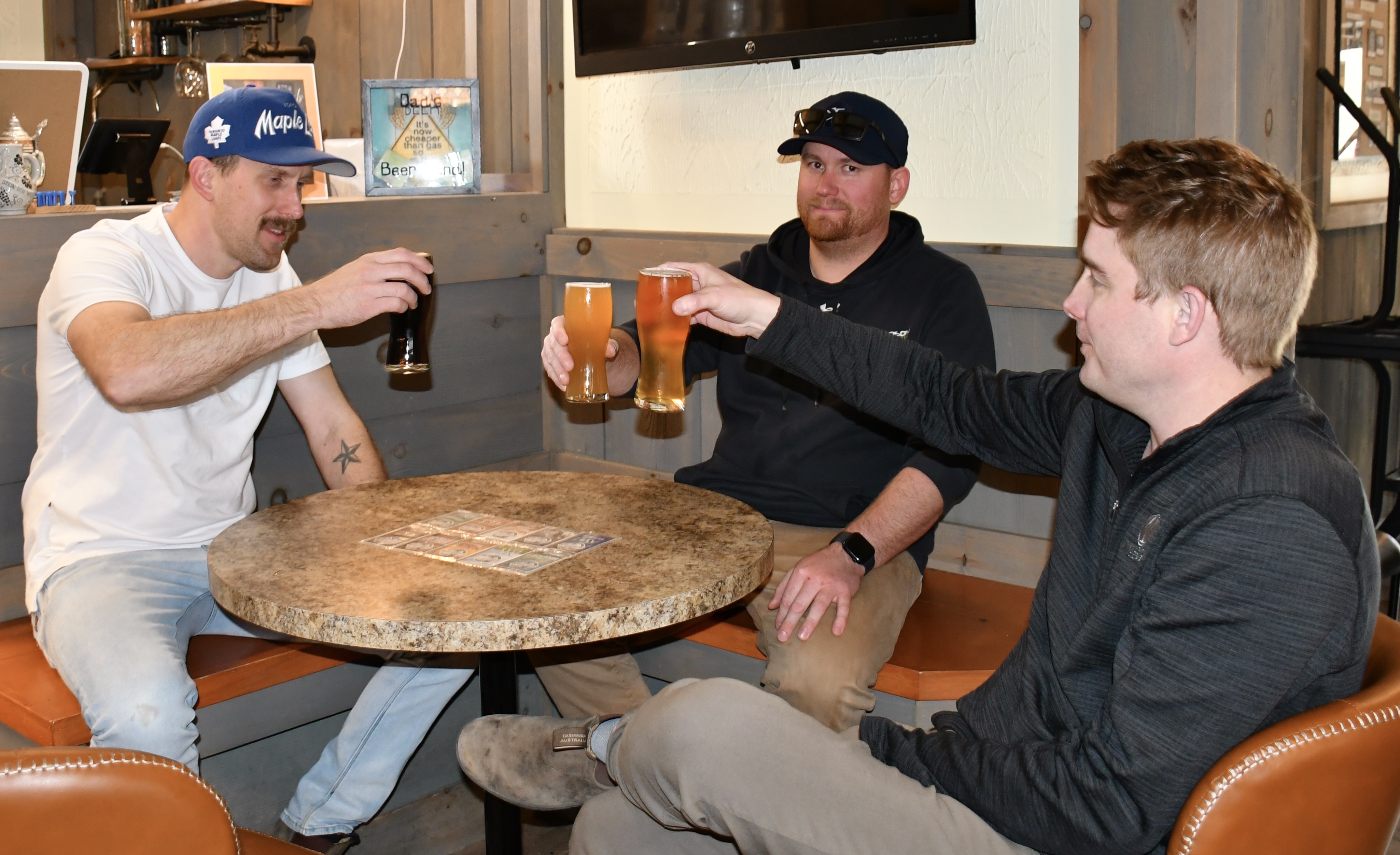
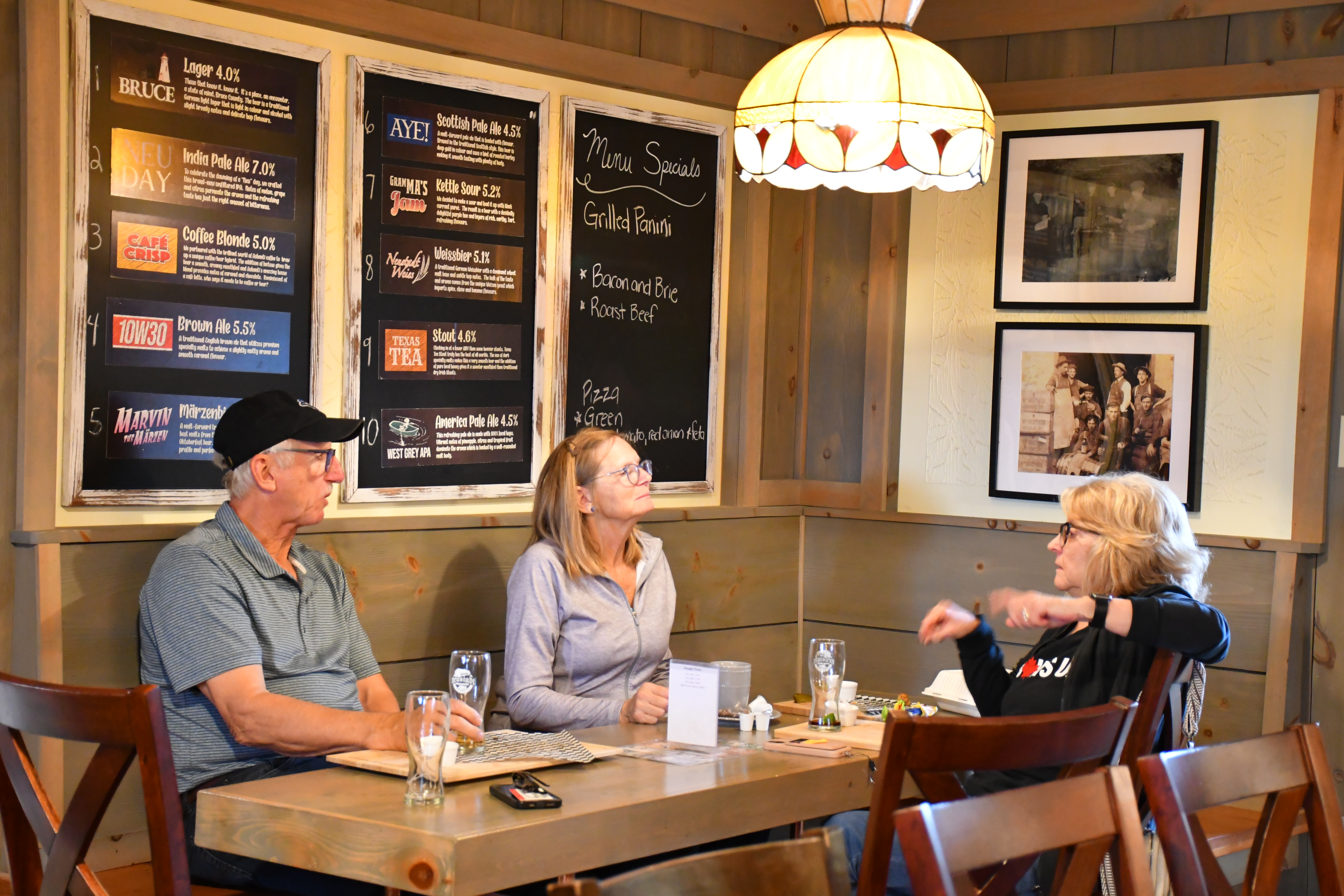
The dozen or so councillors quickly settle, wrapping up their chit-chat or taking a quick swig of various beers, while I thank our waitress for the flight of four she’s just delivered. The mayor and council were good enough to recommend a selection, based on their extensive knowledge of what’s on tap. Over the course of the meeting, I work my way through from light to dark, starting with Neustadt’s Neu-Day IPA and finishing with the mayor’s recommendation — the Texas Tea stout.
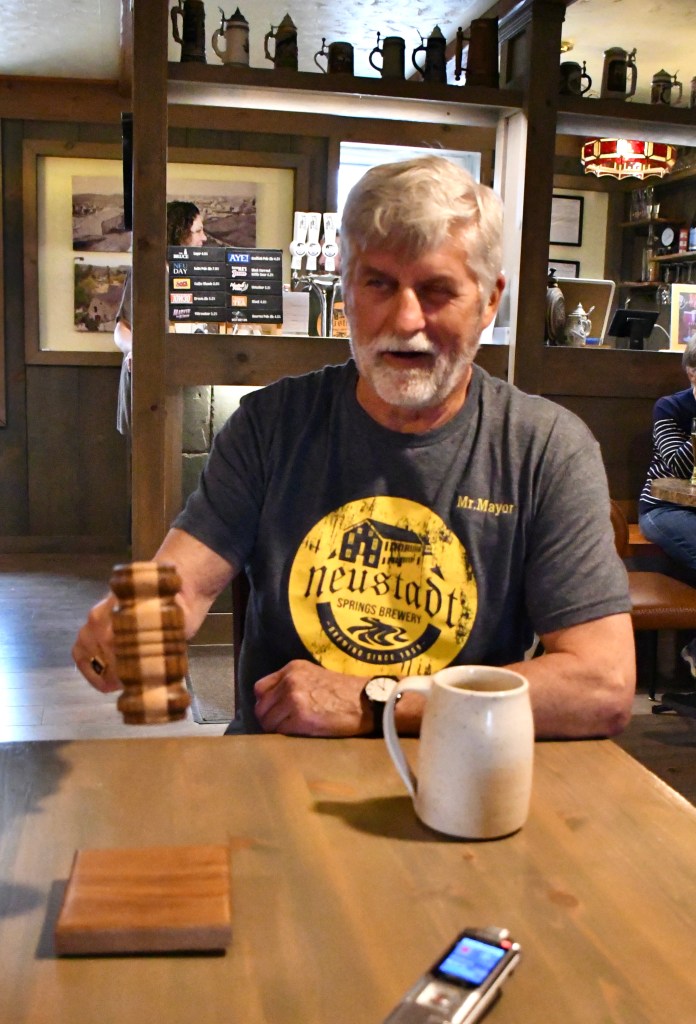
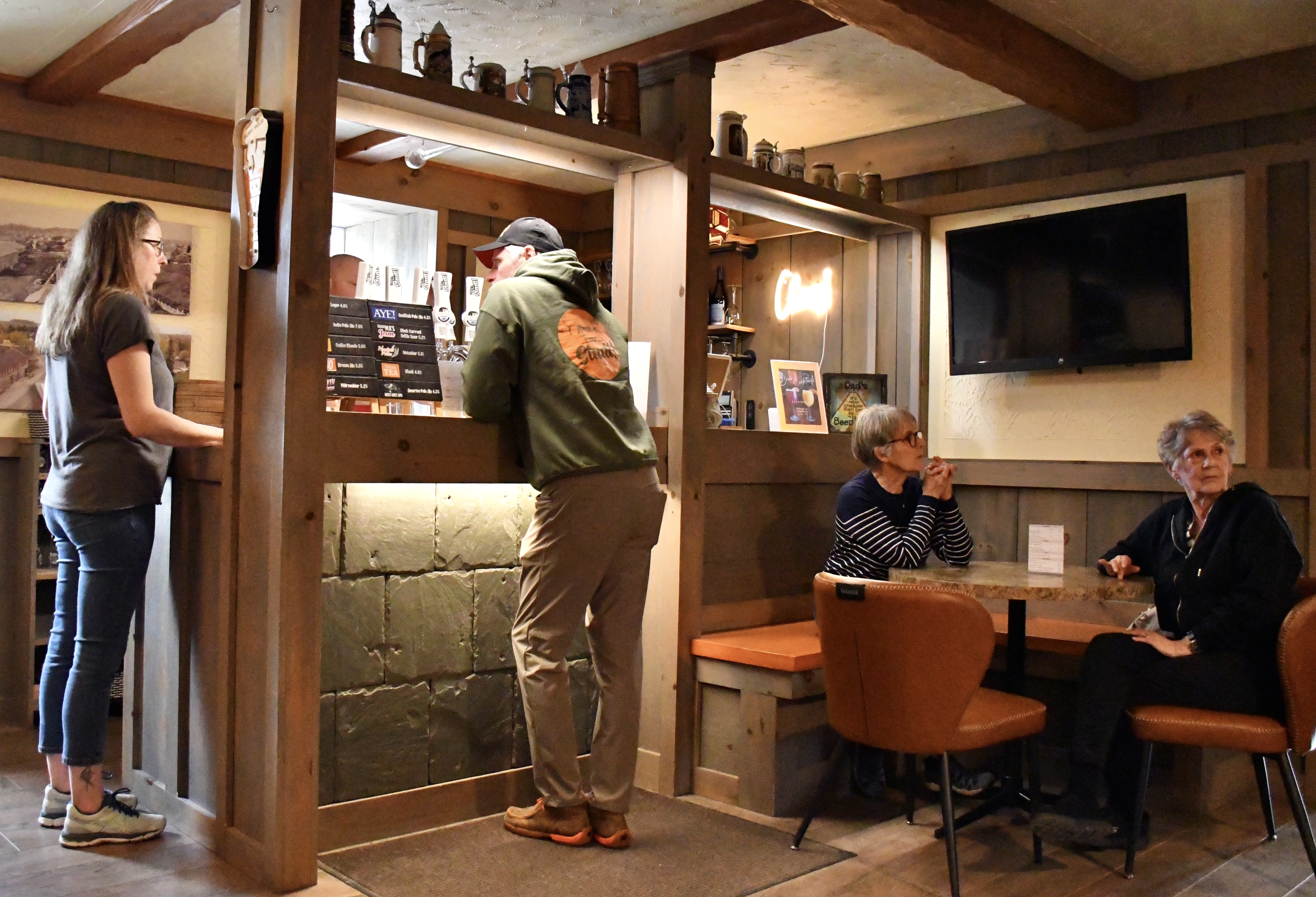
To be clear, there isn’t actually a municipal government in the Village of Neustadt. It and its neighbours have, technically, been part of the Municipality of West Grey since 2000. But that doesn’t stop 12 to 18 of the locals from convening at the Neustadt Springs Brewery most Fridays to catch up with friends and neighbours, discuss local happenings, and enjoy a brew or two.

“We have our own mayor,” explains Neustadt head brewer Marvin Dyck. “He’s unofficial. But Darell is great. He just brings everybody together and it’s literally like Cheers in here.”
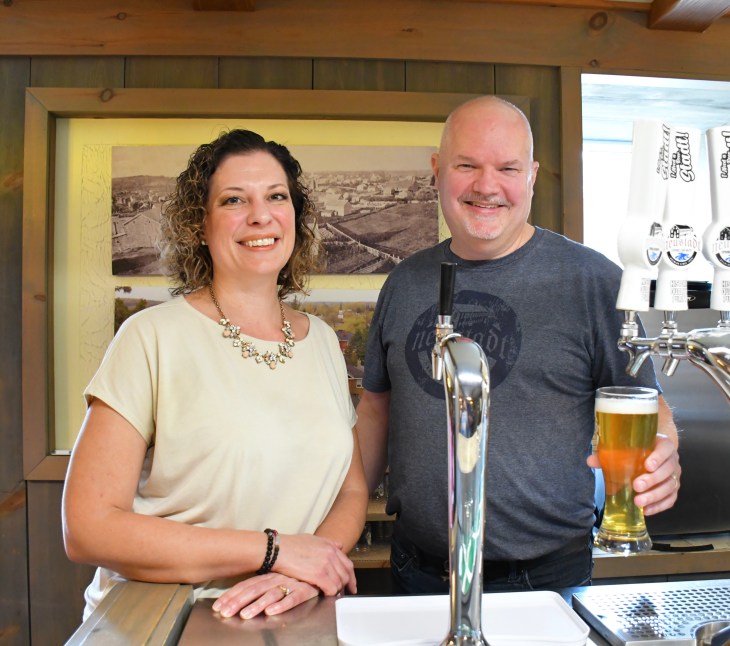
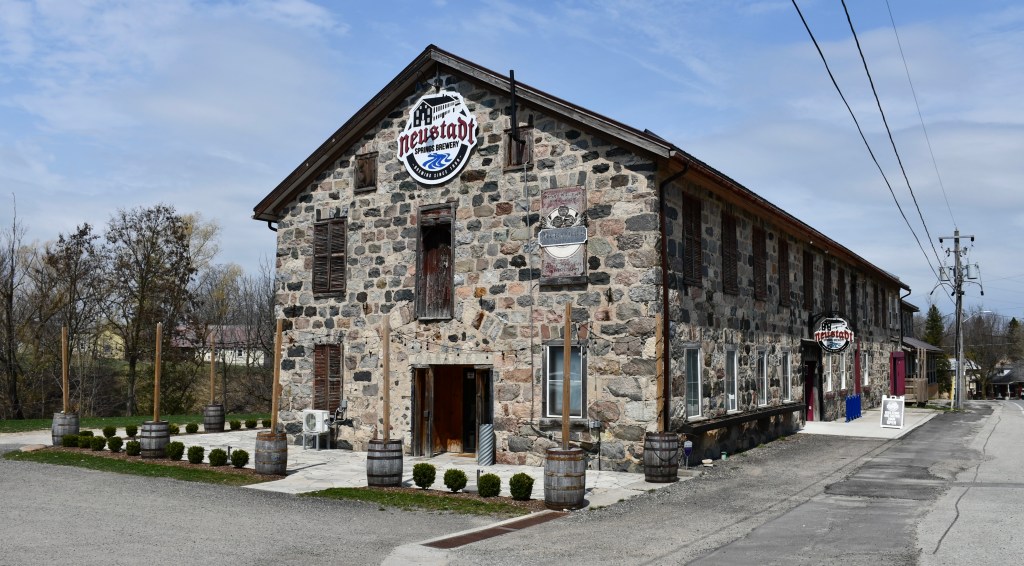
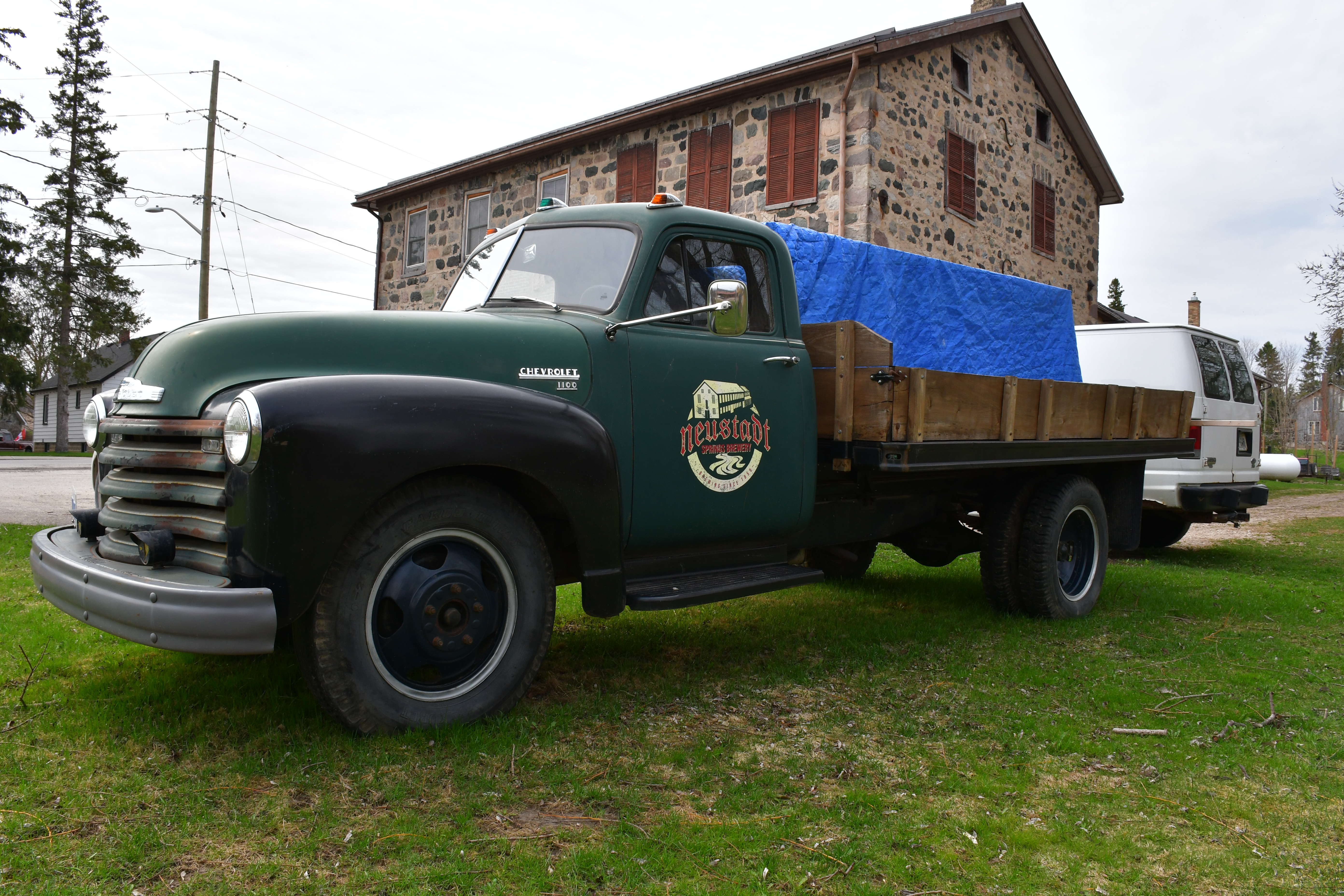
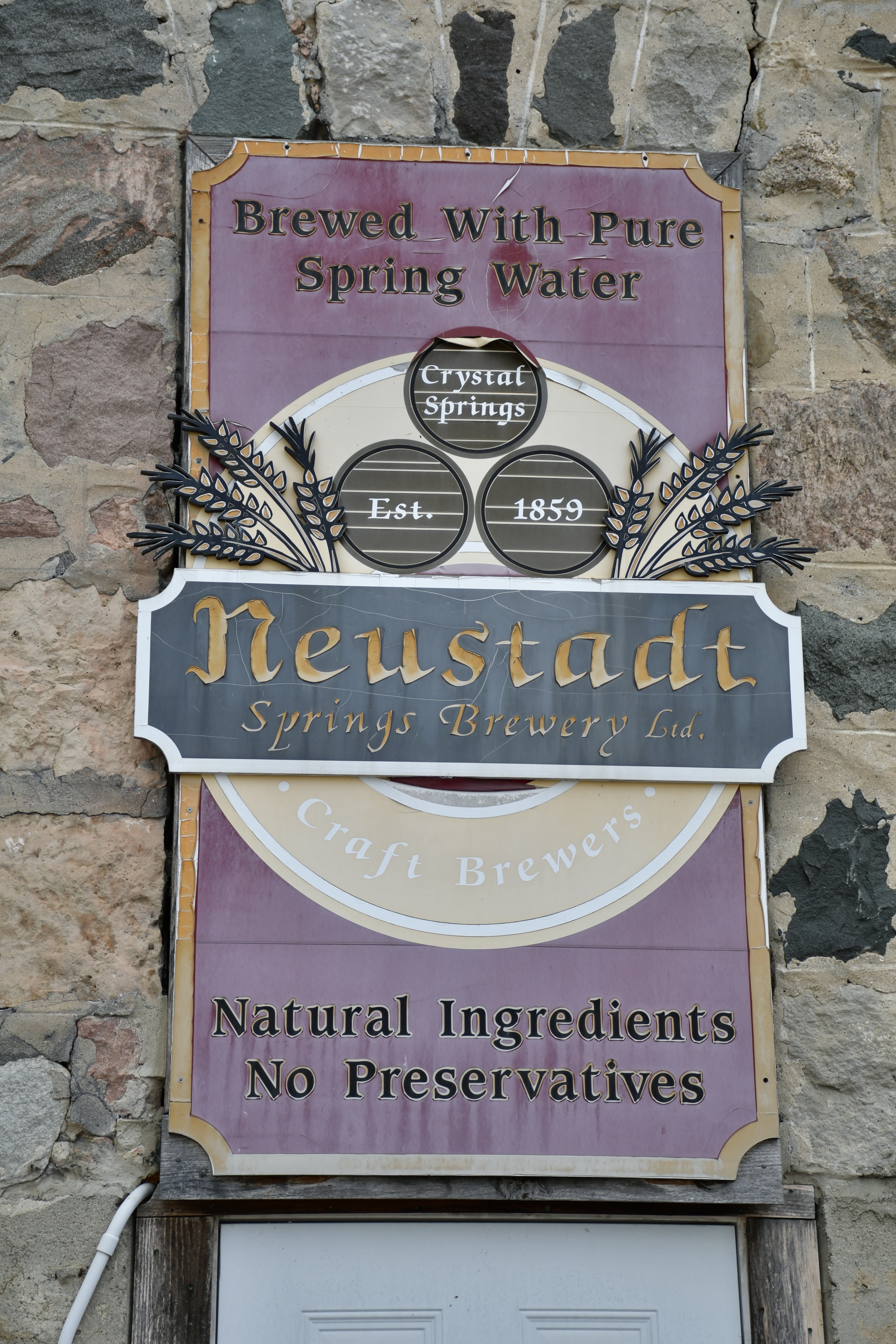
That is the sort of thing Mike and Anita Weber hoped for when they bought the historic building, built in the late 1850s as the home of the Crystal Springs Brewery, in March of 2021 – the height of the COVID crisis. Marvin, who was perfectly content as VP of Quality and Brewing at Wellington Brewery, joined them in September.
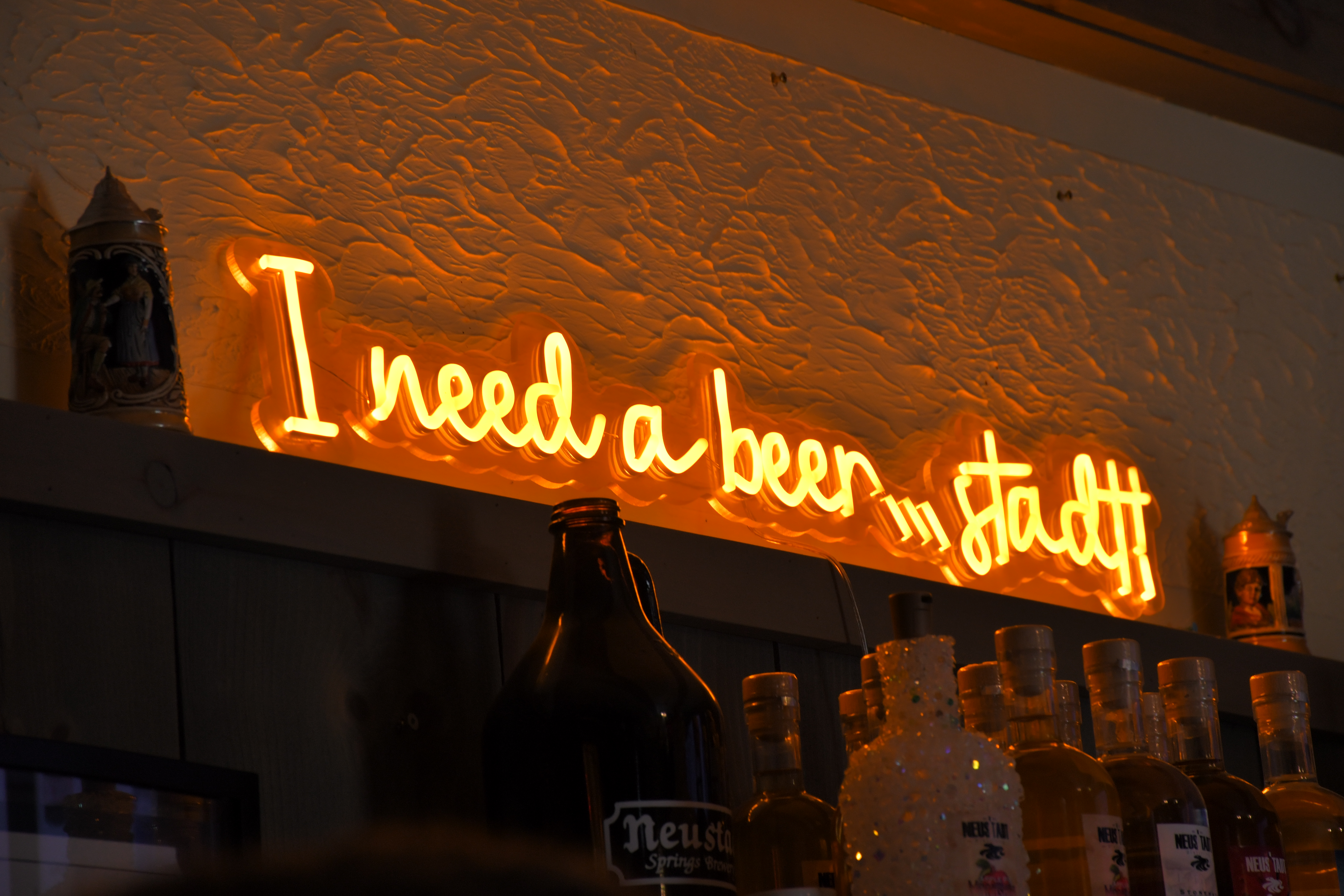
“The whole idea for us was to have a place where people feel at home and feel comfortable,” says Mike. He credits his staff with creating that atmosphere. “We have so many people commenting when they come. They sit down, they have a beer and they’re like: ‘This is just so homey. It’s so cozy. We love it here.’ To us, that means everything.”
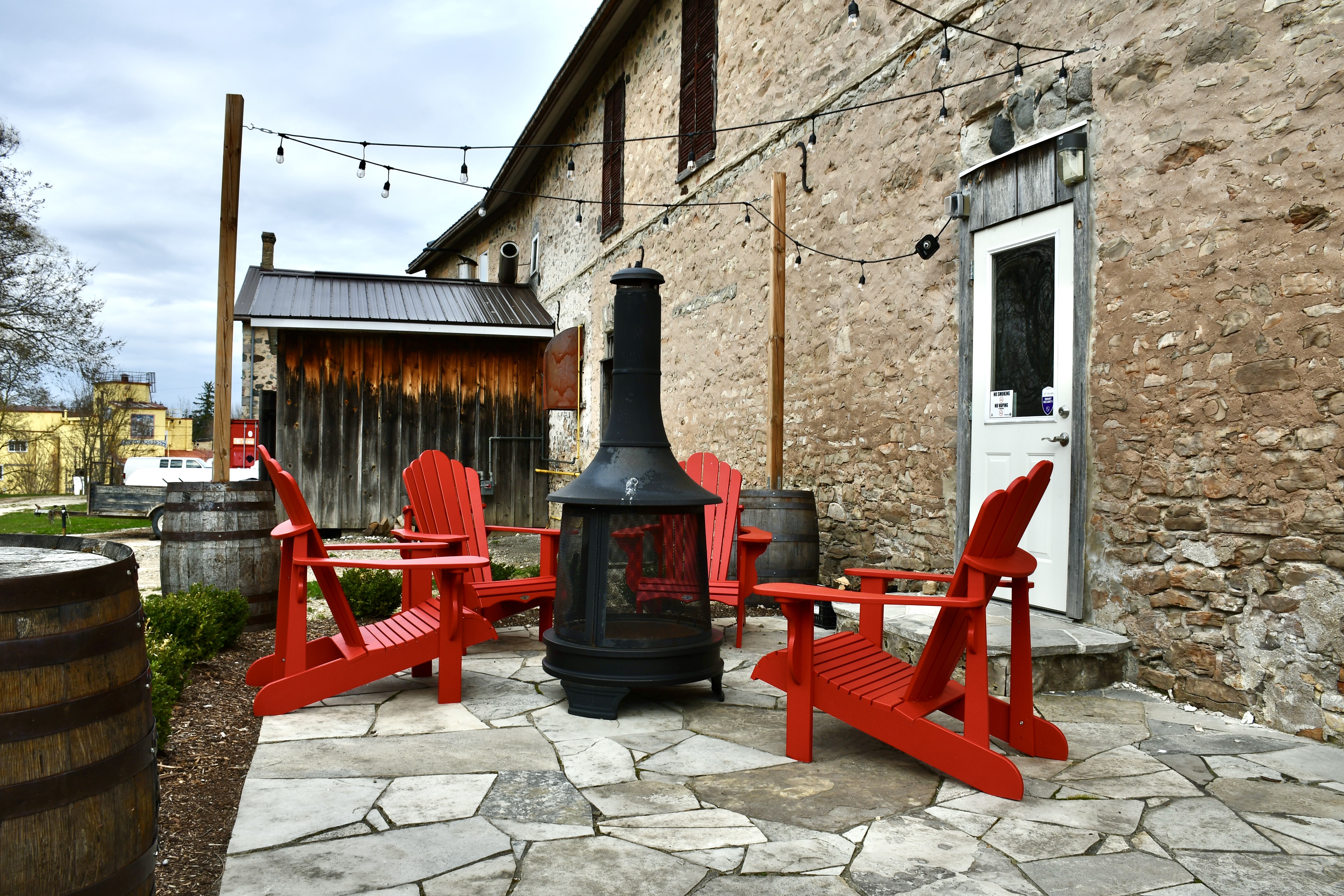
That homey-cozy feeling also comes from the old-world architecture that has been remarkably preserved, restored and/or modernized over the building’s 160-year-plus history.
German immigrant Henry Huether opened Crystal Springs in 1859. Fire destroyed much of the wooden structure early the following year. So Huether brought in 40 stone masons from Germany, who spent the next decade rebuilding the structure – with fieldstone local farmers traded for beer.
Crystal Springs reopened in 1869 and served local needs until prohibition. The building housed other businesses over the years, including an egg-grading station and a dance hall, but sat long abandoned until Andy and Val Stimpson purchased it in 1997. It’s believed the couple spent $1-million over the next two decades on renovations and getting Neustadt Springs Brewery up and running.
“The previous owners had invested a lot of time, energy and money over the years. It was kind of their life,” explains Mike. “But they were tired and wanted to retire.”
Mike saw the potential early on – “I think he thought about it for about eight months without even mentioning it,” offers Anita – and eventually, the couple and their three adult kids decided as a family to buy the brewery.
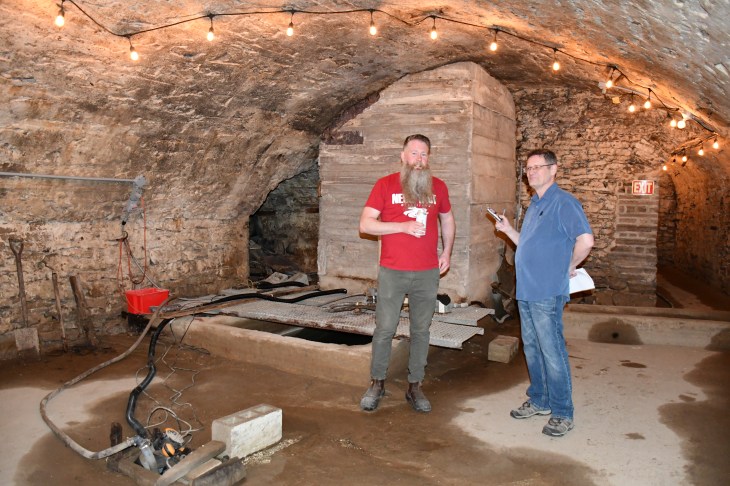
That potential includes two truly unique features. One involves remnants of arched tunnels and caverns, part of a larger network that once served specific purposes.
“One of the reasons they actually built these caverns was that it kept things at a consistent temperature,” explains Marvin. “I think, from the ground to the round, is about 15 feet. So, it’s about 55 degrees Fahrenheit year round.”

A series of tunnels once branched off from the caverns. All have since been closed off and some, apparently, were used to run sewer tunnels. But they once connected to other buildings in town, allowing people and supplies to move around more easily 12 months of the year.
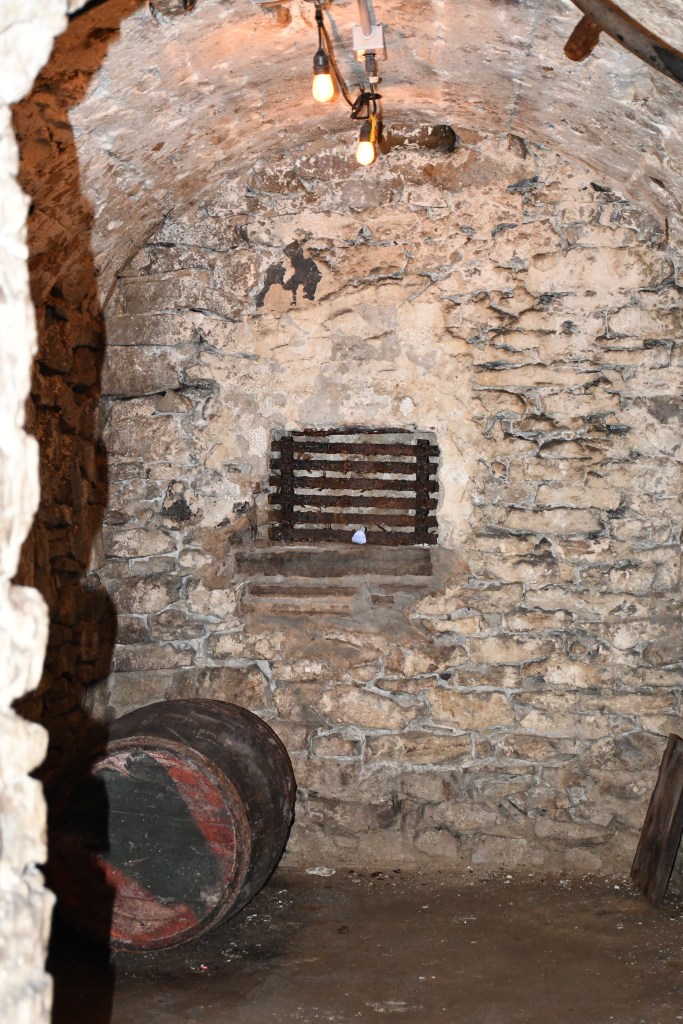
“This one went to the mill next door,” Marvin explains. “It burnt down in the 40s, but when it was mill, they could move grain for brewing completely underground. So, they didn’t have to worry about, you know, winters and all that.”
Tunnels also ran to Neustadt’s five pubs. “So, these barrels, they were likely about this size, 200 liters. By the time it’s full, you’re around 500 pounds. It’s not light. But you could roll that downhill to the pubs. And when it’s empty, it’s not so difficult to come back up.”
Today, the caverns mostly draw tourists. But one is also the source of the brewery’s greatest asset – the spring water that rises from somewhere deep below the building.
“The actual spring is, we think, underground over there,” Marvin says, pointing away from what looks like a square well, made of concrete, in the corner of one cavern. “Because there was apparently an old pipe that brought it in. That is connected underground to this cistern. So, we pump from here up, and that whole hose goes up to the upstairs.”
He’d love to know more about the source, but contents himself with the quality of the water. He explains the value of its hardness. Apparently the “320-ish” number he shares is way better than the 1,000-1,100 commonly found elsewhere, including in a neighbour’s well. Better still, he explains, is the mix.
“So, it’s hard, but it’s a really good hard. The mix. There’s like magnesium and calcium, which are essential for brewing. Yeast needs it for health and what not. It’s all in, like, really good amounts to do a pretty wide swath of beer.”
Mike and Anita rely on Marvin to handle the brewing. “I never intended to brew beer,” offers Mike. “My feeling is, we’ve got to let the right people do what they do. Marvin is amazing. He’s fantastic at what he does. So, you know, we’d say it was divine intervention.”
Marvin points out that the brewery and its beers have two distinct histories. Little is known about those brewed by the original Crystal Springs, which closed during prohibition, beyond the clear, German influence. Marvin’s aware of one old label that talks of the early beers.
“I’m guessing they had lagers and what not back then, but we have, like I said, that one label that talks about it being a special lager.”
The Stimpsons brought a British influence. “Andy and Val were from England originally. They had a pub in Wales, but were English. So, a strong English influence on the beer.”
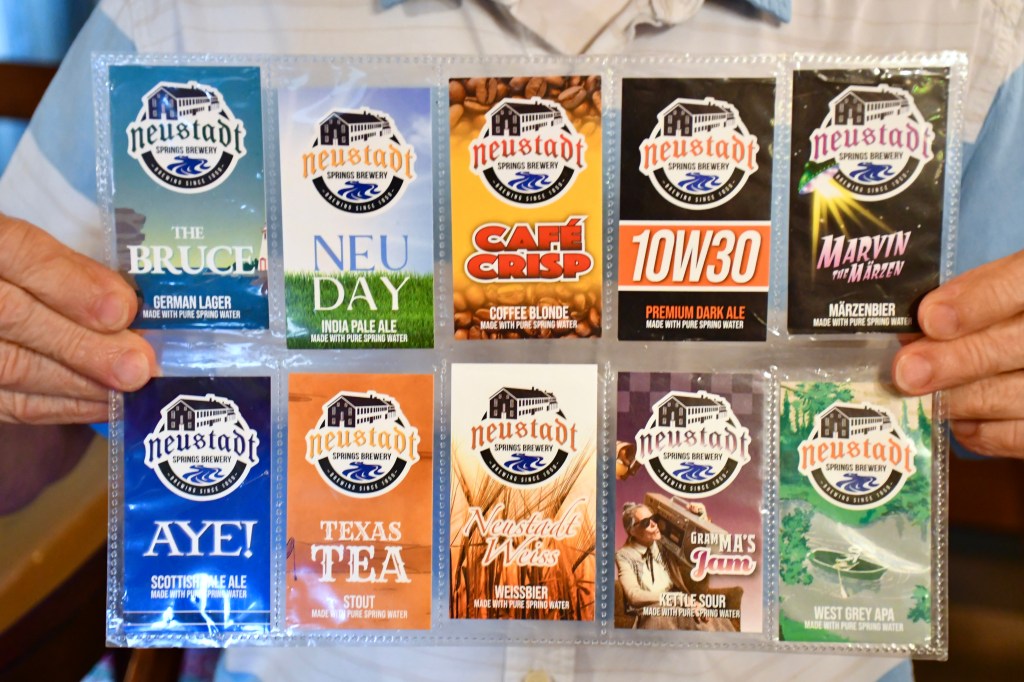
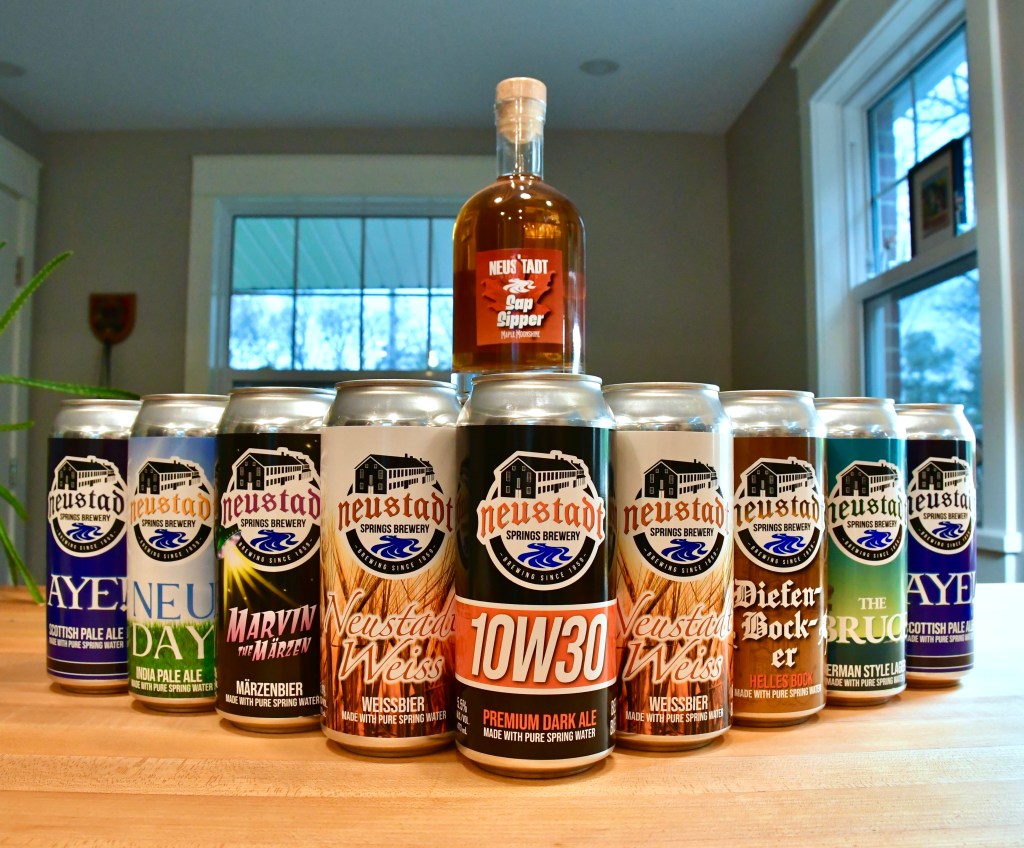
Their first beer was a Scottish ale. Others appeared, including a lager, marzen and an award-winning brown ale called 10W30. But no IPA.
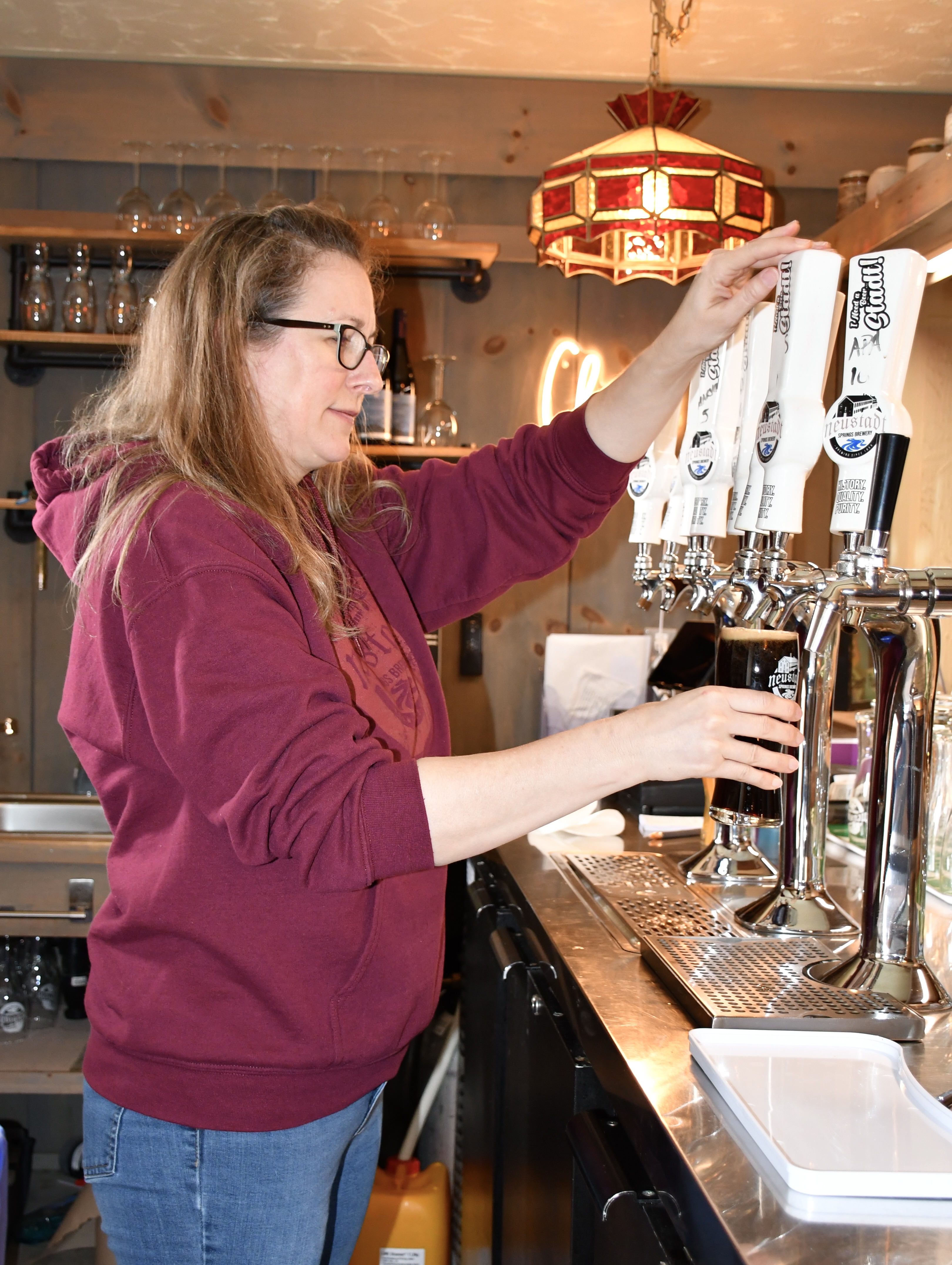
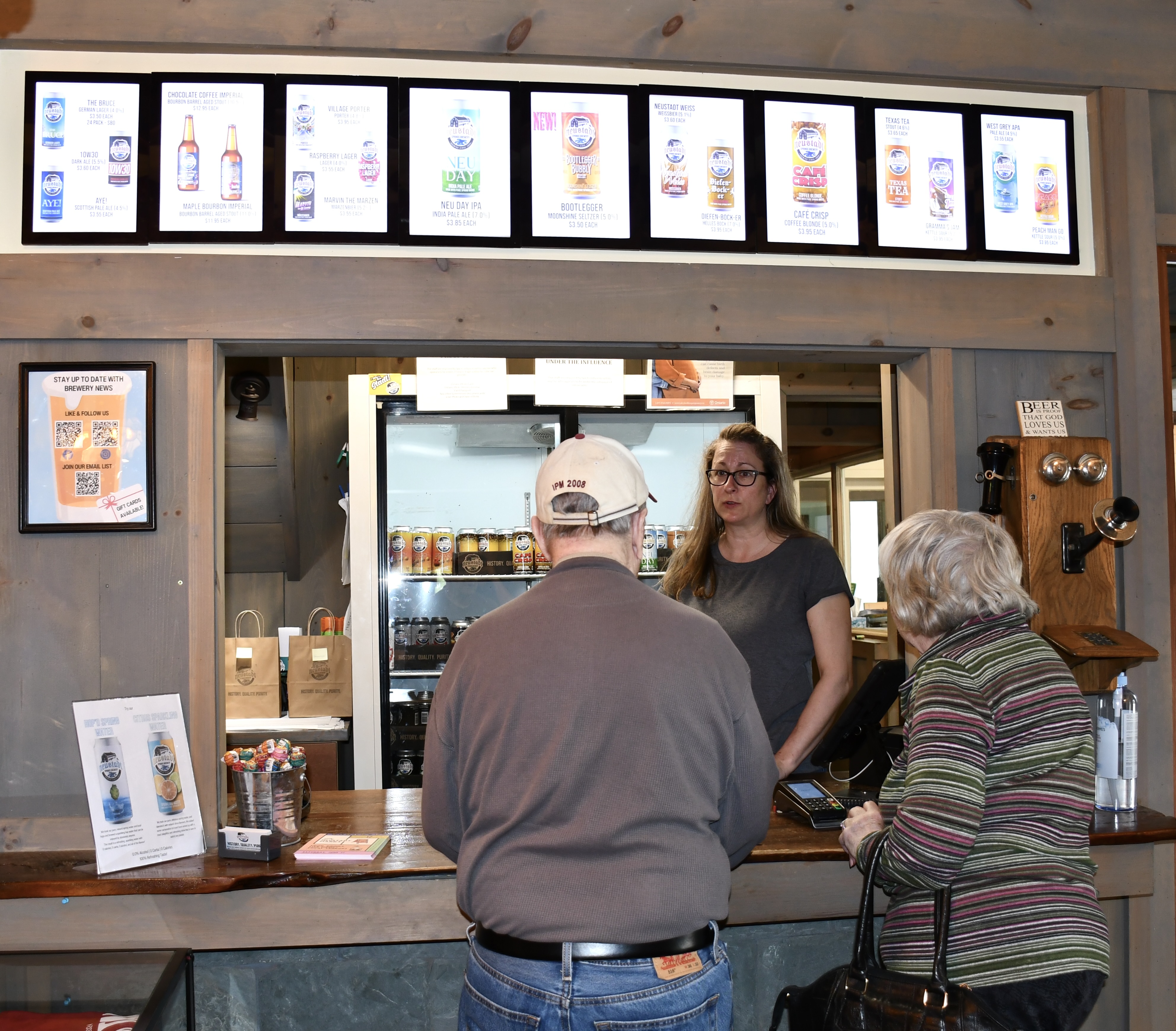
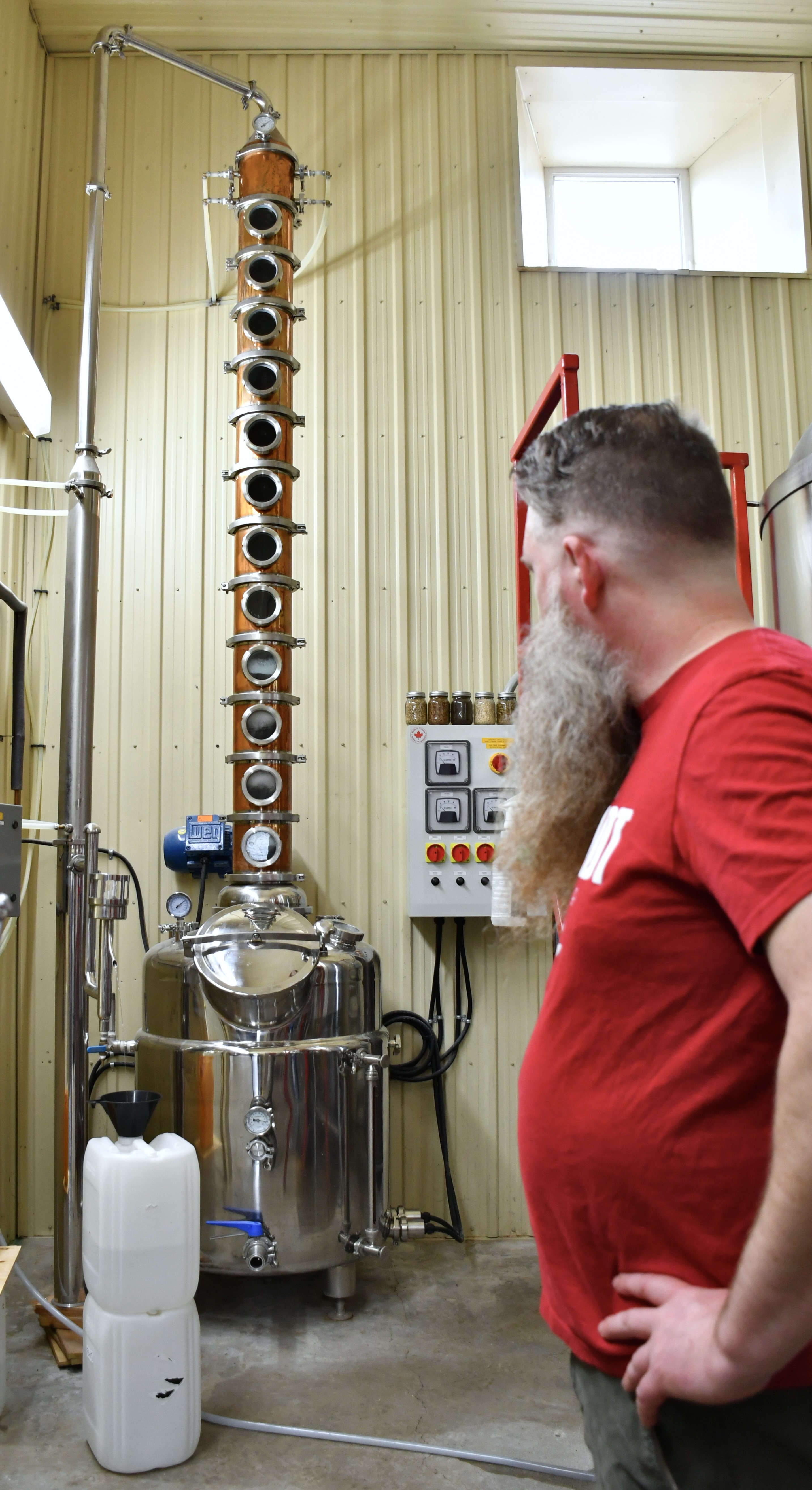
Marvin, like Mike, saw potential. “So, when we first took over, I’m like ‘We have to have an IPA.’ That was the first new beer, which we called Neu Day. Because it was a new day.” He’s since grown the line to include 11 staple beers or seltzers, a half-dozen rotating beers, limited runs, a cellar series, and a distilling line. (I’m a sucker for the Sap Sipper maple moonshine.)
Equally important, Marvin updated the beers he inherited.
“So basically, everything has been tweaked to some degree or another,” he explains, “keeping the spirit of the styles that we inherited and had a reputation. We were just, like, ‘Okay, I think we can make this a little better in this way’.”
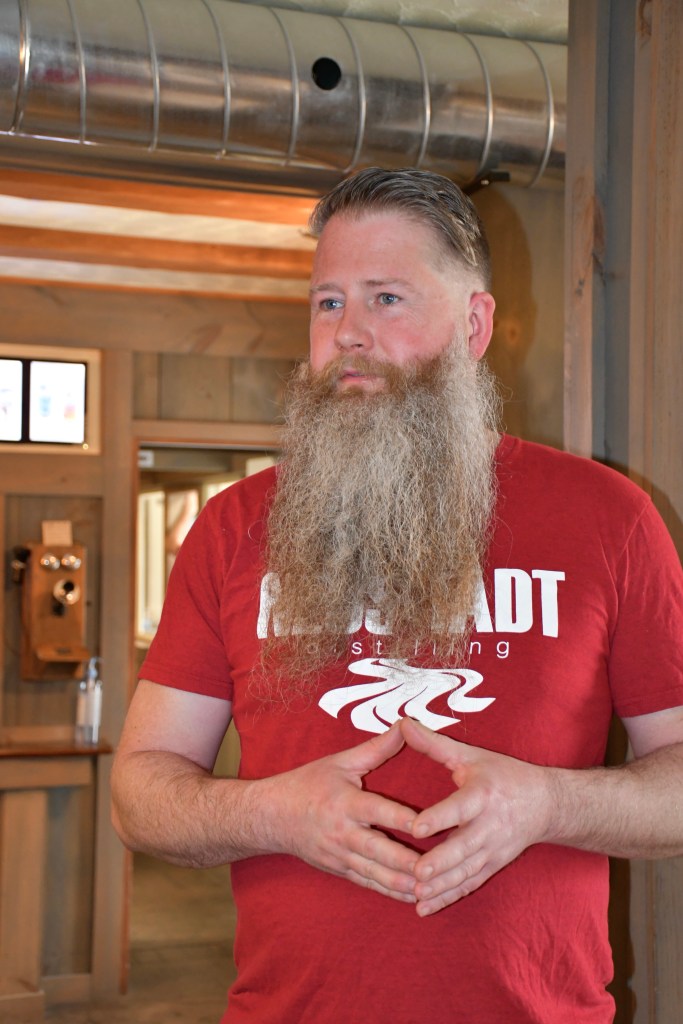
The one he’s proudest of? Marvin the Marzen.
“I mean, I put my name on that one.”
“So, it did pre-date me, but I made a fair bit of changes. I think all I kept was the malts, though I changed the ratio of the malts. The hops are different. The yeast is different. It’s almost a different beer.”
“I am, uh, very happy with that one.
Mike and Anita couldn’t be happier with their decision to buy the brewery. Mike, who works in commercial real estate and land development, learned of the brewery while he and Anita were considering different retirement investments. Something that, ideally, they could leave as a legacy.
“This came across my desk and it piqued my curiosity,” Mike says. “It was very, very interesting. I knew the building from driving past it for many years. It piqued my curiosity.”
He ran the numbers and decided it was too expensive, but it “literally kept coming across my desk again and again and again.” Anita was, initially, “not so gung-ho.” They ran the numbers repeatedly and agreed it could be exactly what they wanted, if they could get it at the right price. And, if their three adult children saw it as something for the entire family.
“My kids are super into it,” says Anita. “My oldest, she’s a full-time nurse, but she’s planning events in the background. She does all the social media. They’re all part of it.”
“Our son is up here more often,” Mike explains, “because he’s delivering and what not. He’s also a volunteer firefighter here now.”
Neustadt’s regulars are also invested in the brewery, some coming from Hamilton or Stratford. Mayor Darell explains that council has met most Fridays since just after COVID. “The people just started coming out again. They were so happy to see everybody. And it’s just, like, ‘Oh, I haven’t seen you forever. It’s a treat to talk to you. Come sit with us. Come sit with us’.”
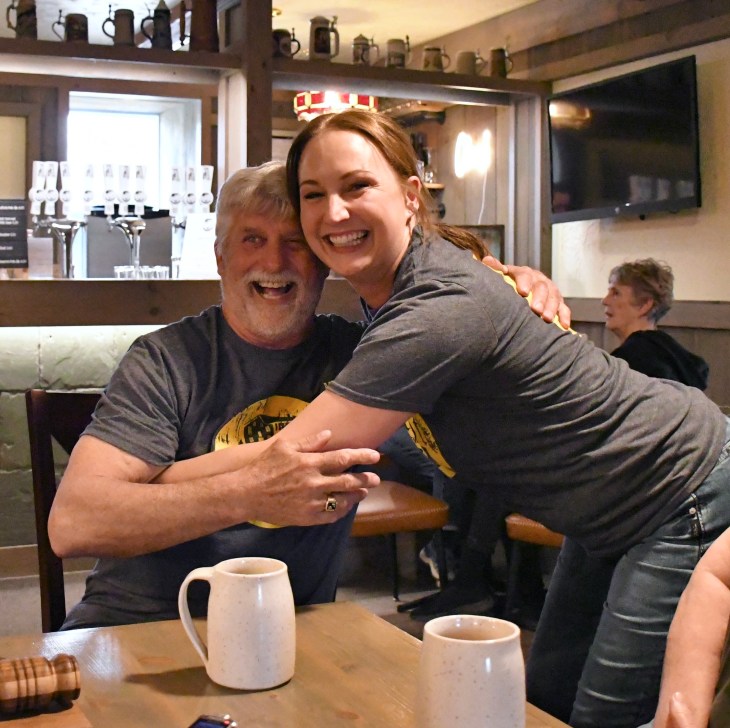
One table became two, three or more as Friday attendance grew. Someone named the group Neustadt Council. Darell was dubbed mayor, and has the gavel and t-shirt to prove it. His only job seems to be making sure everyone feels welcome; pretty much everyone gets a hug. And council’s only official business? Celebrating birthdays and other milestones.
“One time last fall, another couple that come to our meetings once in a while – Vic and Julia. Julia’s from Brazil,” the mayor explains. “She’s been in Canada for, what, nine years? And last fall, she got her Canadian citizenship. So, she came in with the flag, and we had to do an announcement and all that, and everybody cheered.”
Steve and I stay longer than needed, lingering long after my flight is finished, enjoying the homey-cozy feel. Eventually we say our goodbyes. I get a hug from the mayor. And we leave, assuring everyone we will absolutely be back.
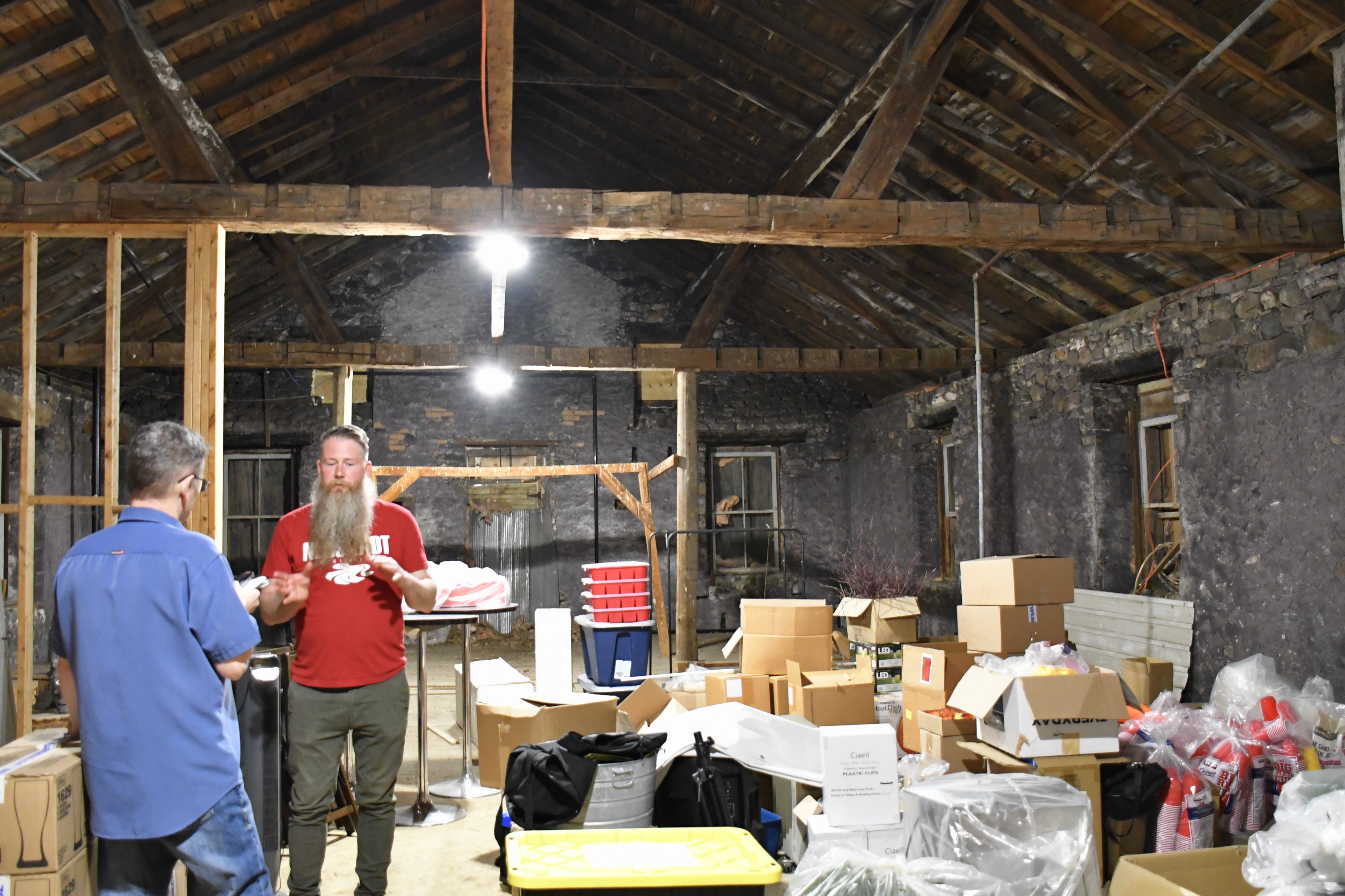
Note: Neustadt Spring Brewery has a space problem. The taproom maxes out at 40 people, council can take up half of that on some Fridays, and the brewery is turning people away some weekends. So they’ve just broken ground on a project with two big goals: turning an unused second-floor hayloft into an event space and alternate taproom for up-to 70 people, and connecting the caverns to the two floors above with an elevator. We’ll bring you that story in the very near future.






 Beer Bards